How Portion Sizes Have Changed Over Decades
Published February 2026 | Educational Article
Historical Context
Portion sizes have changed significantly over the past century, influenced by economic conditions, food availability, cultural shifts, and food service industry practices.
Mid-20th Century Patterns
In the 1950s and 1960s, recommended portion sizes for a standard meal were notably smaller by contemporary standards. A typical serving of protein was 80-100 grams, vegetables occupied substantial plate space, and meals were consumed in a more leisurely timeframe.
Food was often purchased fresh and prepared at home, with preservation techniques like canning and freezing limiting convenience options. Restaurant dining was a special occasion rather than routine.

Food preparation practices have evolved significantly
The Rise of Convenience and Industrialisation
The latter half of the 20th century saw dramatic changes:
- Fast food expansion: The proliferation of quick-service restaurants normalised larger, nutrient-dense portions at lower costs
- Marketing strategies: "Value" promotions emphasised larger portions as better value, shifting consumer expectations
- Food technology: Shelf-stable, pre-packaged foods changed how people purchased and consumed meals
- Eating occasions: Snacking between meals became more common, and food became available outside traditional meal times
Modern Serving Standards
Contemporary portion sizes in restaurants and packaged foods often contain 2-3 times the amount of food considered a standard serving a few decades ago. A restaurant pasta dish, for example, might contain 300-400g of pasta, whereas a historical standard serving was 75-100g.
This change reflects not necessarily increased human need, but rather food industry economics, consumer expectations shaped by marketing, and the convenience culture. The trend is global, though intensity varies by region and country.
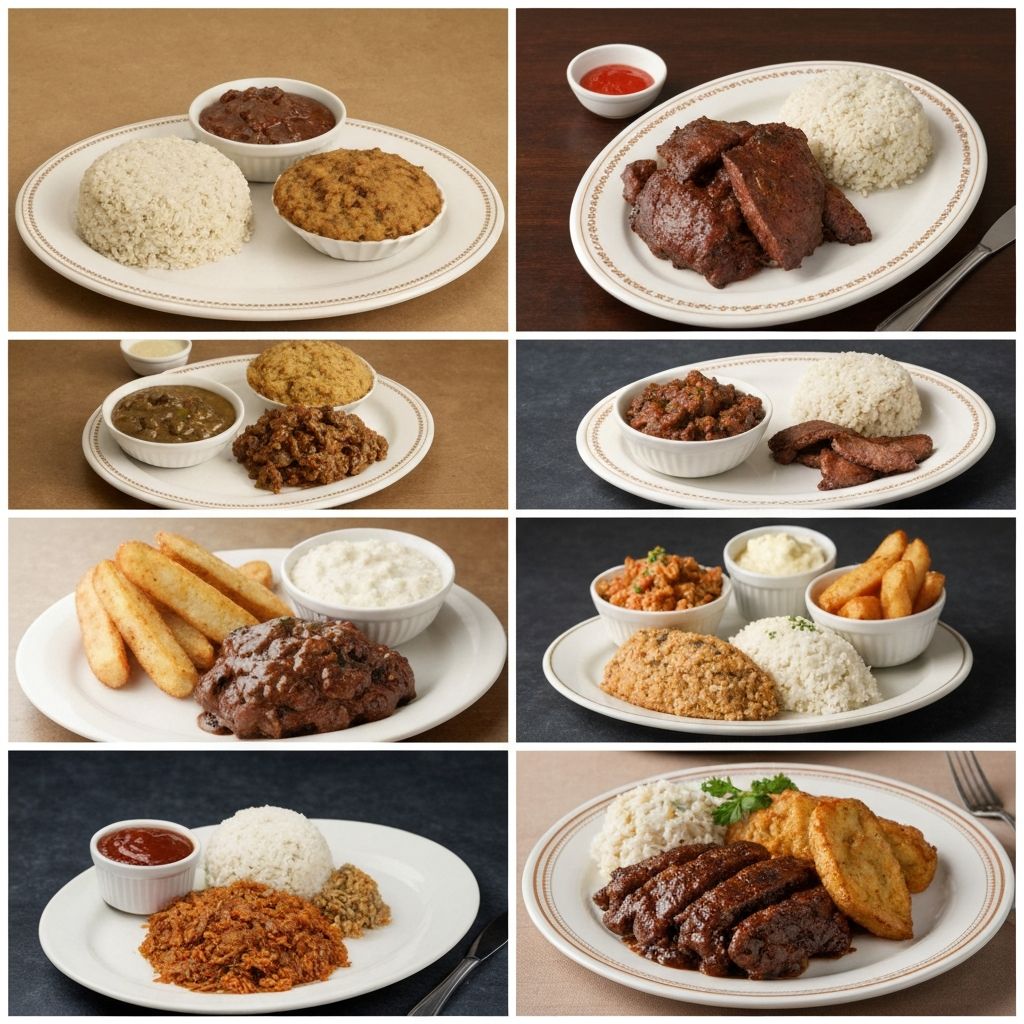
Portion sizes in restaurants and packaged foods have grown
Cultural Variations
It is important to note that portion traditions vary significantly across cultures and remain stable within many communities. Mediterranean countries maintain traditional serving patterns. Asian cuisines often feature smaller per-item portions with multiple dishes shared. African and Middle Eastern eating patterns emphasise communal meals and varied portion scales based on ingredients available.
The concept of an "appropriate" portion is deeply cultural. What seems large in one tradition may be considered normal in another, and neither is inherently "correct."
Individual Factors Beyond Portion Size
Body weight and health outcomes are influenced by many factors beyond portion size alone:
- Overall physical activity patterns and occupational work
- Individual metabolic rate and genetic factors
- Overall dietary pattern quality and food choices
- Sleep patterns and stress levels
- Age and life stage transitions
- Individual taste preferences and eating behaviour patterns
Contemporary Awareness
Understanding historical portion contexts helps individuals make conscious choices about their own eating patterns. Awareness that portions have grown allows people to evaluate whether the amounts they consume reflect their actual hunger and needs, rather than simply defaulting to what is served or packaged.